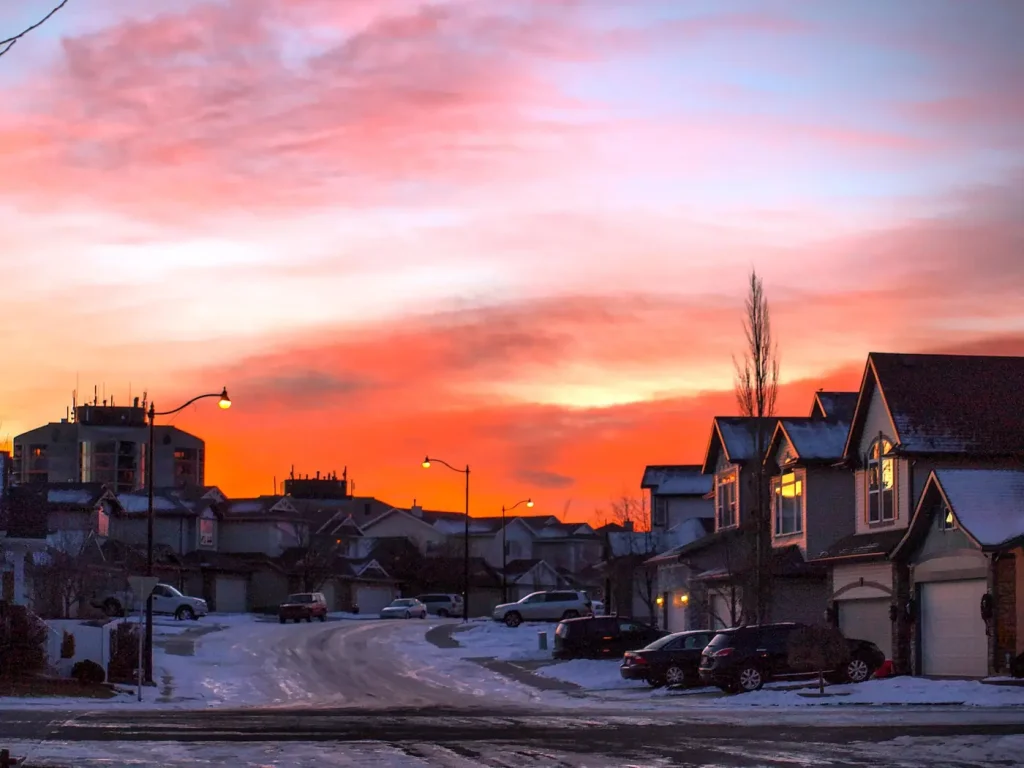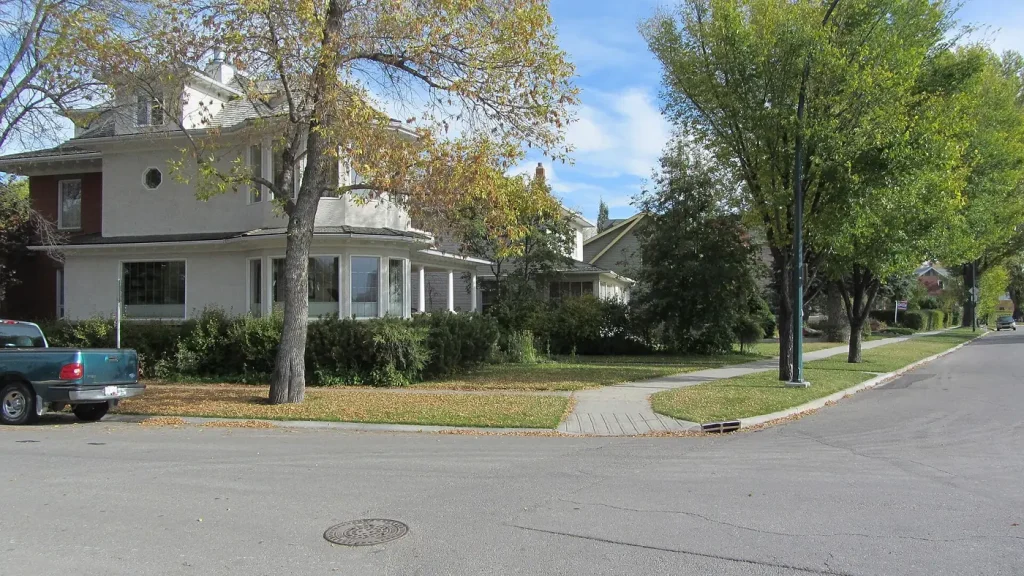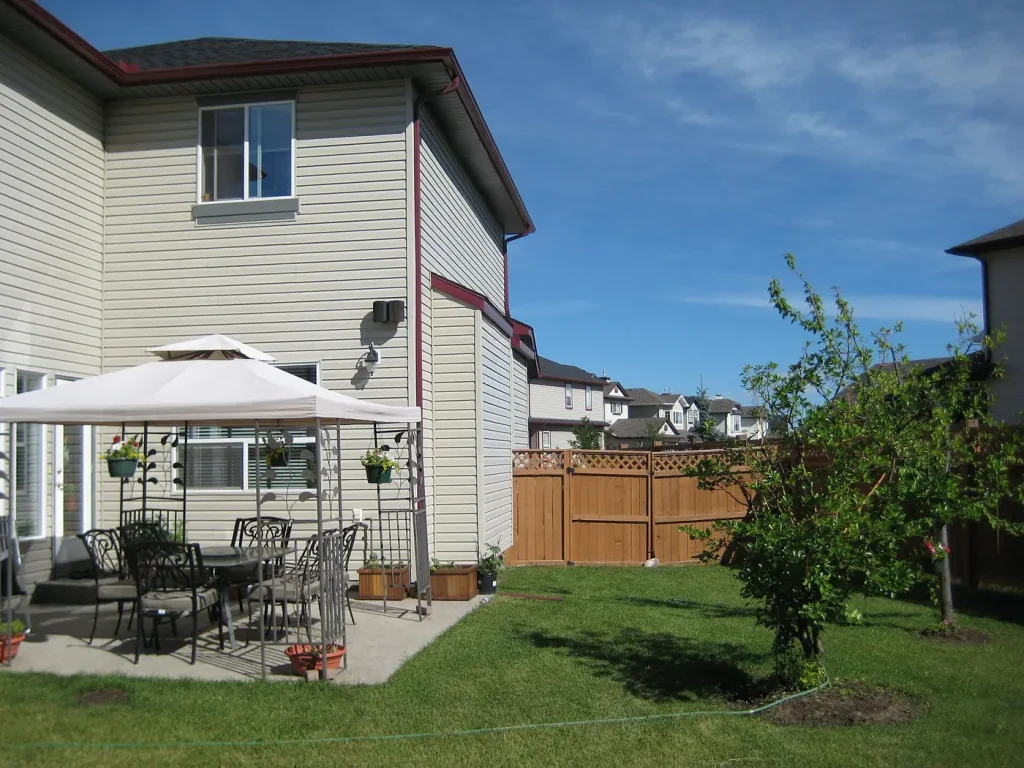
The Calgary Real Estate Board (CREB®) published its year-end figures on January 2, 2026, and they confirm what many buyers felt during the year: 2025 was the year Calgary’s resale market moved from favouring sellers to more balanced conditions.
Calgary: 2025 annual change in average benchmark price
The year in numbers
- Sales: 22,751 homes, 16% fewer than in 2024 but in line with long-term trends.
- New listings: more than 40,000, about 9% more than the year before.
- Prices: the annual average benchmark price for all homes was $577,492, about 2% lower than in 2024.
CREB links the shift to record housing starts, which added supply across the market, at the same time as demand eased because of lower migration and uncertainty during the spring.
Different results by type of home
Detached homes had 11,328 sales, down nearly 9%, and the average benchmark price rose about 1% to $752,767. Semi-detached prices rose nearly 3% to an average of $685,850. Row sales fell 17% to 3,838 and prices eased about 2%. Apartments saw the biggest adjustment: sales fell 28% from near-record levels, and the average benchmark price declined by nearly 3%. Most new apartment starts were purpose-built rentals, which still add choice and weigh on resale condos.
By district, the North East reported the largest price decline, after it had the strongest growth over the previous two years. In the City Centre, detached inventory stayed well below long-term averages and prices grew more than 3%.
Around Calgary
In Cochrane, sales were similar to 2024 and the annual benchmark price rose nearly 3% to $578,325. Okotoks inventory rose by over 40% but was still about 30% below long-term trends. In Airdrie, inventory reached levels not seen since before the pandemic and the average benchmark price eased about 2%.
What it means: 2026 starts with more choice for buyers than at any time in the last three years, especially for condos and townhomes, while detached homes in sought-after districts remain competitive.
Why supply grew faster than expected
CREB’s chief economist said supply was expected to rise in 2025, but the growth was higher than expected, especially for apartment condominiums and row homes. That was enough to offset the gains for detached and semi-detached homes in the total price. Some parts of the city kept seller’s market conditions while others moved in favour of buyers, so price trends depended on location, price range and property type. For the first time in three years, Calgary enters a new year with better inventory levels.
Sales by type of home
Calgary: change in 2025 sales by type of home
Sales fell for every type. Apartment sales dropped the most, 28% from near-record levels in 2024, though they were still over 28% above long-term trends. Row sales fell 17%, but row homes are taking a larger share of overall activity. Semi-detached homes, under 10% of all sales, had 2,159 sales, 8% fewer than in 2024 but slightly above long-term trends.
The local picture
- Detached: sales eased in every district, most in the North East, East and City Centre. In the North East and East, inventory also rose sharply, and prices fell 2%.
- Semi-detached: prices eased in the North, where new homes compete with resale, but rose 4% in the City Centre.
- Row: prices were relatively stable in the City Centre, North West, West and East, but fell 4% in the North East and North.
- Apartments: the steepest decline was in the North East, nearly 5%; only the West was relatively stable.
What it means for 2026
- Buyers: you start the year with more choice than at any time in three years. Use it to negotiate, particularly for condos and row homes.
- Sellers: results depend on where you are and what you sell. A detached home in the City Centre faces very different conditions from a condo in the North East.
- Investors: purpose-built rentals keep adding supply. Expect more competition for tenants.
- Everyone: CREB will release its 2026 forecast on January 20.