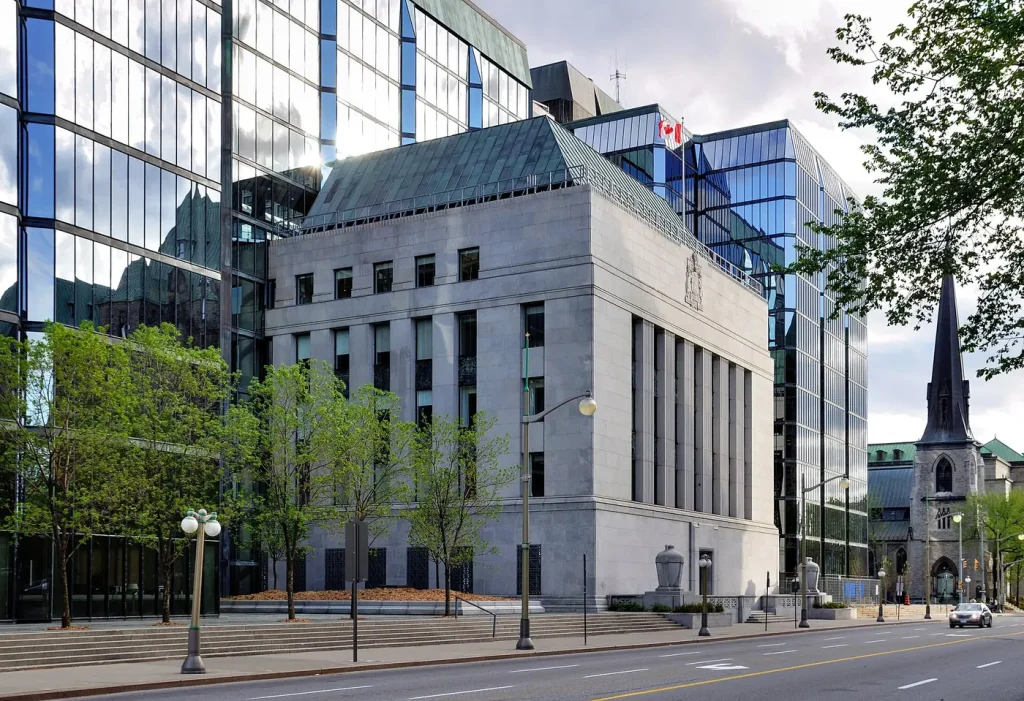
On October 28, 2026, the Bank of Canada raised its target for the overnight rate by 25 basis points to 2.5%, with the Bank Rate at 2.75% and the deposit rate at 2.45%. The policy rate had been 2.25% since October 2025.
Bank of Canada policy rate, %
Why the Bank raised rates
- With oil prices persistently high, CPI inflation has been around 3% since April and is expected to rise to about 3.5% by the end of the year. Excluding gasoline it was 2.2% in September.
- The Bank sees cost pressures building and expects more pass-through to consumer prices over the next year. It now forecasts inflation to average 3% in 2027 before returning to 2% in mid-2028.
- Growth has been stronger than expected: 3.3% in the second quarter and about 2% in the third. The Bank expects 1% growth in 2026 and 2% in 2027 and 2028, with housing “relatively weak”.
“There could be a need to increase the policy rate further, but given uncertainties, Governing Council agreed to proceed carefully.”
What it means for Calgary buyers and owners
- Variable-rate mortgages and HELOCs: prime-based payments will rise. Check with your lender when your payment changes.
- Fixed rates: they follow bond yields, which had already moved up. Get a rate hold before you shop.
- Buyers: re-run your pre-approval at the higher rate. Calgary still has plenty of choice, especially in condos and row homes.
The first increase in years
This is a change of direction. The Bank had cut its rate through 2024 and 2025 and then held it at 2.25% for a full year. Today’s 2.5% is still low compared with the 5% peak of 2023 and 2024, but the message is that the next move could also be up. The unemployment rate has been around 6.5% for several months, and the Bank still sees some excess supply in the economy, which is why it is moving carefully.
The forecast behind the decision
Bank of Canada growth projections, October 2026
The Bank revised its growth forecast up. It expects the economy to slow in the fourth quarter because of new US tariffs, then pick up in 2027, supported by business investment, exports and government spending. Inflation is the concern: with the conflict in the Middle East in its eighth month and fuel costs feeding into production and transport, inflation is now expected to average 3% in 2027, a percentage point above the July forecast, and to return to 2% only in mid-2028.
What it means in Calgary
Alberta is more exposed than most provinces to oil prices. High prices support jobs and investment here, which helps housing demand, but they also keep inflation, and now interest rates, higher. Calgary’s resale market is already balanced overall, with buyers holding the advantage in condos and row homes, so a rate increase mostly affects how much buyers can borrow rather than how many homes are available.
When the Bank decides next
The next announcement is on December 9, the last scheduled decision of 2026. The first of 2027 is on January 27, together with a new Monetary Policy Report. Fixed mortgage rates can move before then, because they follow bond yields rather than the policy rate.
Practical steps
- Renewing soon? Compare a fixed term with a variable one. If more increases follow, a fixed rate locks in certainty; if inflation fades, variable rates could fall again.
- On a variable rate with fixed payments? Check how much of each payment still goes to principal.
- Investors: re-check cash flow on condo rentals. Higher borrowing costs combined with softer condo prices and more rental supply leave less room for error.
- Sellers: buyers’ budgets just got smaller. Pricing to the market matters more than it did a month ago.