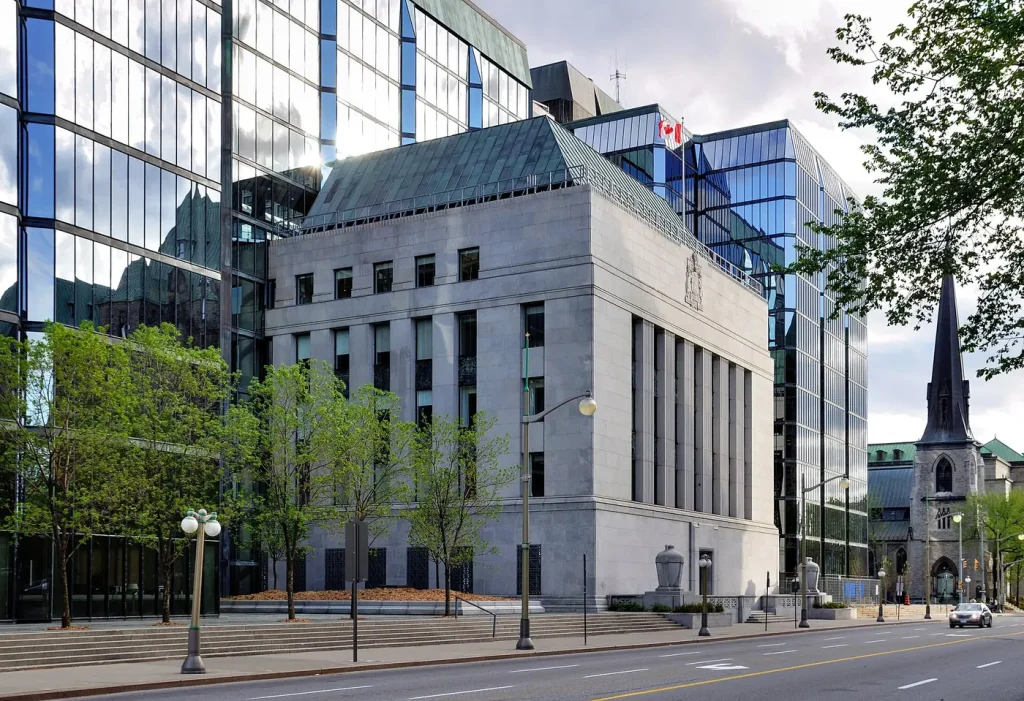
On March 6, 2024, the Bank of Canada held its target for the overnight rate at 5%, with the Bank Rate at 5.25% and the deposit rate at 5%. It was the fifth hold in a row.
Bank of Canada policy rate, %
What the Bank said
- Real GDP grew 1% in the fourth quarter, after contracting 0.5% in the third, though growth is still below potential.
- CPI inflation eased to 2.9% in January.
- Shelter price inflation remains elevated and is the biggest contributor to inflation.
- Core inflation measures are in the 3% to 3.5% range. The Bank wants to see further and sustained easing.
What it means for Calgary
No relief yet for borrowers. In Calgary, rising rents and home prices are part of the shelter inflation the Bank is watching. Buyers this spring should still qualify at current rates. The next decision is on April 10, 2024.
Growth was better than expected, but still weak
The Canadian economy grew more than expected in the fourth quarter of 2023, though the pace was still weak and below potential. Real GDP rose 1% after contracting 0.5% in the third quarter. Consumption rose a modest 1%, and final domestic demand contracted because of a large decline in business investment. A strong increase in exports boosted growth. Employment continues to grow more slowly than the population, and the Bank sees some signs that wage pressures may be easing. Overall, it says the economy is in modest excess supply.
Shelter remains the biggest inflation driver
CPI inflation eased to 2.9% in January as goods price inflation moderated further. But shelter price inflation remains elevated and is the biggest contributor to inflation. Underlying pressures persist: year-over-year and three-month measures of core inflation are in the 3% to 3.5% range. The share of CPI components rising faster than 3% has declined but is still above its historical average. The Bank still expects inflation close to 3% in the first half of 2024 before it gradually eases.
Global conditions
Global growth slowed in the fourth quarter. US growth also slowed but remained surprisingly robust, with solid consumption and exports. The euro area was flat at year-end after contracting in the third quarter. Inflation in the US and euro area continued to ease. Bond yields have increased since January, which matters for fixed mortgage rates, while equity markets have risen sharply.
Calgary compared with the national picture
Shelter is the main national inflation problem, and Calgary’s February numbers show why demand for housing is so strong here. CREB reported 2,135 sales, nearly 23% more than a year earlier, a benchmark of $585,000, up over 10%, and just over one month of supply. Inventory for homes under $500,000 fell 31% from a year earlier. A national economy in excess supply has not cooled Calgary’s housing market, which CREB ties to migration and low supply.
Compared with January
The message was almost unchanged from January. The Bank again did not say it was ready to raise rates further, but it also did not signal when it might cut. It wants to see further and sustained easing in core inflation first.
What it means for you
- Variable-rate borrowers: your payment is unchanged; the next decision is on April 10, with a new forecast.
- Fixed-rate shoppers: bond yields rose after January, so fixed rates may not fall soon.
- Buyers: Calgary prices are still rising while rates hold; waiting for cuts may not save money.
What the Bank is watching
Governing Council said it is still concerned about the risks to the inflation outlook, particularly the persistence of underlying inflation. It continues to focus on the balance between demand and supply, inflation expectations, wage growth and corporate pricing behaviour, and it is continuing quantitative tightening.