Alberta’s Budget 2024, released on February 29, 2024, froze education property tax rates at last year’s levels. Because property values are rising, the amount collected still goes up.
The numbers
- The residential/farmland rate stays at $2.56 per $1,000 of equalized assessment; the non-residential rate is $3.76 per $1,000.
- Strong growth in property values and new development mean education property tax revenue is expected to grow by $229 million in 2024-25.
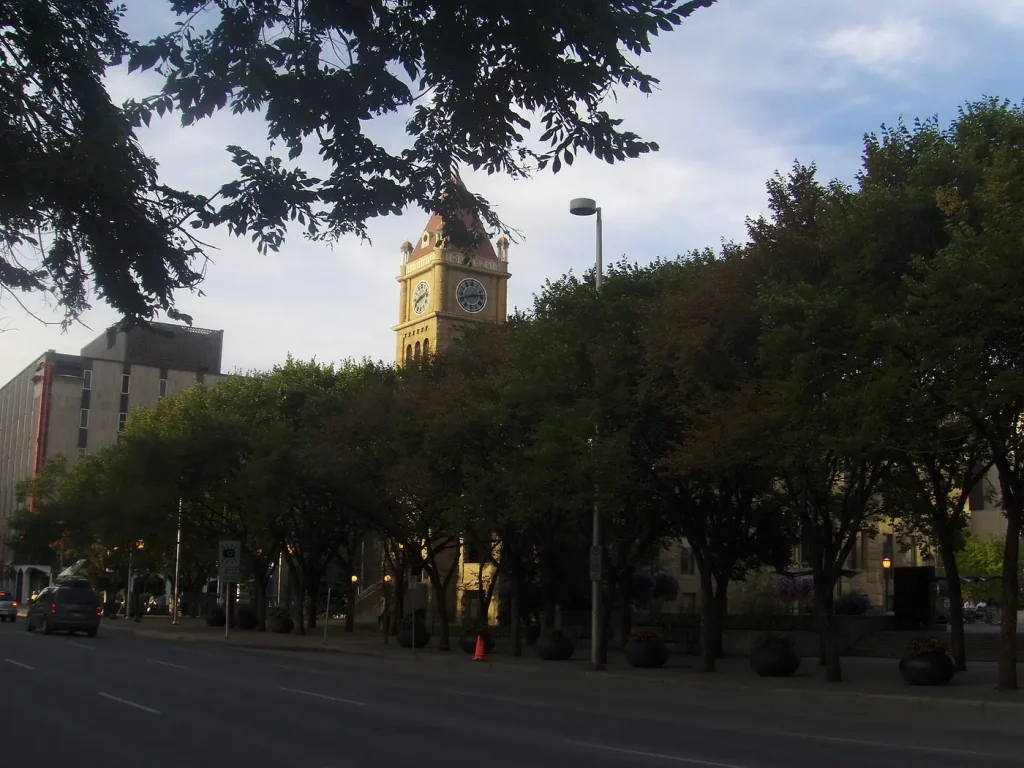
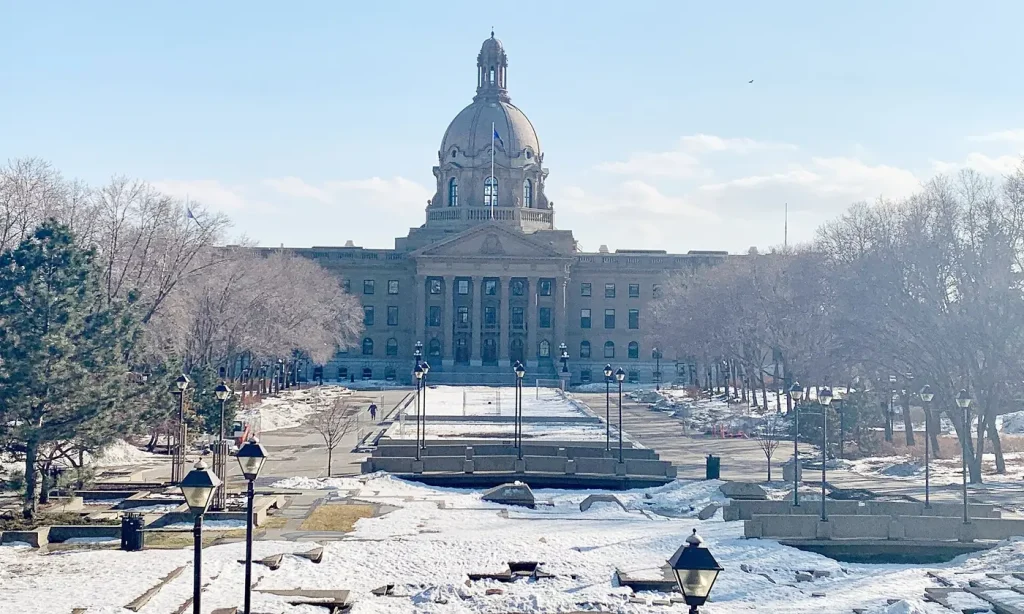
- Calgary taxpayers will contribute $881.7 million in education property tax in 2024; Edmonton taxpayers $529.2 million.
- The tax will fund almost 30% of education operating costs.
- The equalized assessment base used this year reflects 2022 property values.
What it means for your tax bill
The education portion is collected by the City on the same bill as municipal tax. A frozen rate does not mean a frozen bill: if your home’s value rose more than average, your share goes up. Calgary’s 2024 tax bills are mailed in May, after the City sets the final rates.
Compared with 2023
In 2023, Calgary taxpayers contributed $786.2 million in education property tax at the same $2.56 residential rate. In 2024, the amount rises to $881.7 million, an increase of $95.5 million, even though the rate did not change. The province says strong growth in property values and new development explain the rise in revenue. The equalized assessment base used this year reflects 2022 property values.
Calgary’s education property tax contribution (millions of dollars)
How the tax is calculated
Every municipality collects a share of the provincial education property tax in proportion to its total taxable equalized assessment. Equalization makes sure similar properties pay similar amounts wherever they are in Alberta. The money is pooled by Alberta Education and distributed to public and separate school boards on an equal per-student basis. Owners in communities with separate school jurisdictions can direct their education tax to those jurisdictions.
What it means for your bill
Calgary’s 2024 assessments, mailed in January, showed a median single residential value of $610,000, up from $555,000, and a median condo value of $295,000, up from $255,000. Condo values rose a typical 17% and single homes 9%. If your value rose faster than the city average, your share of both the municipal and education tax rises more. The City sets the local education tax rate needed to raise its $881.7 million requisition, and that rate appears on the bill mailed in May.
Practical takeaways
- Homeowners: budget for a higher combined bill in 2024, even with a frozen provincial rate.
- Condo owners: the larger increase in condo values means your share of tax is likely to grow more than for single homes.
- Buyers: ask for the most recent tax bill and use the City’s estimate tool when comparing homes.
- Sellers: in a sale, property tax is usually adjusted between buyer and seller at closing; check with your lawyer.
The provincial picture
Across Alberta, education property tax revenue is expected to grow by $229 million in 2024–25, even with rates frozen. Calgary’s $881.7 million is the largest municipal contribution; Edmonton taxpayers will contribute $529.2 million. The non-residential rate stays at $3.76 per $1,000 of equalized assessment. The province says education property tax will fund almost 30% of education operating costs, including teachers’ salaries. Funding for Calgary and Edmonton school boards will be based on profiles expected by the end of March 2024.
Frozen rate, rising bill
A rate freeze is not the same as a tax freeze. The amount each municipality must collect is based on its equalized assessment, and that grows when property values grow. For Calgary owners, that means the education part of the bill is likely to rise in 2024, alongside the 7.8% municipal tax increase for homeowners that council approved in November.